






How to reduce gum irritation with alcohol-free strips?
Navigate the world of alcohol-free teeth whitening strips with expert insights. This guide addresses common beginner pain points, from achieving professional results without irritation to advanced application techniques and post-whitening care. Discover how premium formulations prioritize gum health and enamel safety, ensuring a brighter smile with minimal sensitivity. Ideal for industry professionals and consumers seeking in-depth knowledge.
- Do alcohol-free teeth whitening strips truly deliver comparable professional-grade whitening results to traditional strips, and what's the realistic timeline for beginners to see significant, lasting improvement without the typical alcohol-related dryness or irritation?
- Beyond simply being alcohol-free, what specific, clinically-backed formulation technologies or design innovations in High Quality alcohol-free strips actively minimize gum irritation and sensitivity, especially for users with pre-existing mild gum recession or sensitivity?
- What advanced application techniques or pre-treatment steps can beginners with highly sensitive gums employ to maximize adhesion and even whitening, while specifically preventing the common issue of whitening gel seeping onto gum tissue when using alcohol-free strips?
- When evaluating alcohol-free teeth whitening strips, what are the key active and inactive ingredients beyond just the whitening agent (e.g., humectants, pH stabilizers, desensitizers) that a professional should scrutinize to ensure both efficacy and optimal gum health, and which ones should be avoided?
- After completing an alcohol-free whitening strip regimen, what are the most effective, evidence-based post-whitening care practices (e.g., specific toothpastes, dietary adjustments, reapplication frequency) to prolong results and manage any residual sensitivity, particularly for those prone to rapid stain recurrence?
- Are alcohol-free teeth whitening strips genuinely safe and effective for individuals with common dental work like veneers, crowns, or bonding, or for those with specific conditions such as mild enamel erosion or exposed dentin, and what precautions should be taken to avoid damage or uneven whitening?
Unlocking Gentle Brilliance: Your Expert Guide to Alcohol-Free Teeth Whitening Strips
As the demand for effective yet gentle oral care solutions grows, alcohol-free teeth whitening strips have emerged as a frontrunner, promising a brighter smile without the common drawbacks of traditional formulations. For both consumers embarking on their whitening journey and industry professionals evaluating product lines, understanding the nuances of these innovative products is crucial. This comprehensive guide, crafted by seasoned experts in the teeth whitening field, delves into the most pressing, often unanswered questions surrounding alcohol-free whitening solutions, ensuring you make informed decisions for optimal results and gum health.
Do alcohol-free teeth whitening strips truly deliver comparable professional-grade whitening results to traditional strips, and what's the realistic timeline for beginners to see significant, lasting improvement without the typical alcohol-related dryness or irritation?
Absolutely. The efficacy of alcohol-free teeth whitening strips is primarily determined by the concentration and stability of the active whitening agent, typically hydrogen peroxide or carbamide peroxide, not the presence of alcohol. Alcohol in traditional strips often serves as a solvent or a drying agent, which can contribute to sensitivity and gum irritation. High Quality alcohol-free formulations achieve professional-grade results by optimizing the peroxide's delivery system and ensuring its sustained release without relying on harsh solvents. Clinical studies and extensive user feedback consistently demonstrate that high-quality alcohol-free strips can lighten teeth by several shades, comparable to or even surpassing the performance of their alcohol-containing counterparts, especially when used consistently.
For beginners, a realistic timeline for noticeable and significant improvement typically ranges from 7 to 14 days of consistent daily use, depending on the product's strength and the individual's initial tooth shade and stain severity. While some users might observe initial brightening within 2-3 days, the full, lasting effect usually manifests after completing the recommended treatment cycle. The key advantage of gentle whitening solutions is the ability to achieve these results without the common side effects like gum dryness, burning sensations, or increased tooth sensitivity often associated with alcohol-based products, making the experience much more comfortable and sustainable for long-term use.
Beyond simply being alcohol-free, what specific, clinically-backed formulation technologies or design innovations in High Quality alcohol-free strips actively minimize gum irritation and sensitivity, especially for users with pre-existing mild gum recession or sensitivity?
While being alcohol-free is a significant step towards reducing irritation, High Quality alcohol-free whitening strips incorporate several advanced technologies to further safeguard gum health and minimize sensitivity. One crucial innovation is the use of pH-neutral or slightly alkaline formulations. Traditional whitening gels can sometimes be acidic, which may exacerbate sensitivity and erode enamel. pH-balanced formulas ensure the whitening agent works effectively without compromising the oral environment. Another key feature is the inclusion of desensitizing agents such as potassium nitrate or strontium chloride directly within the gel. These compounds work by blocking the tiny tubules on the tooth surface that lead to the nerve, thereby reducing nerve excitability and pain signals.
Furthermore, advanced strip designs often feature optimized adhesive technology that ensures a snug fit to the tooth surface, minimizing gel seepage onto the gums. Some manufacturers also incorporate bio-adhesive polymers that create a protective barrier, preventing direct contact of the whitening agent with sensitive gum tissue. For individuals with mild gum recession, these design elements are paramount. The use of humectants like glycerin or sorbitol in the gel formulation also helps maintain moisture, preventing the drying effect that can contribute to gum discomfort. When evaluating non-irritating dental strips, look for explicit mention of these features and ingredients, often backed by clinical trials demonstrating their efficacy in reducing sensitivity.
What advanced application techniques or pre-treatment steps can beginners with highly sensitive gums employ to maximize adhesion and even whitening, while specifically preventing the common issue of whitening gel seeping onto gum tissue when using alcohol-free strips?
For beginners with highly sensitive gums, maximizing adhesion and preventing gel seepage is critical for a comfortable and effective alcohol-free teeth whitening experience. Here are advanced techniques and pre-treatment steps:
- Thorough Tooth Preparation: Before applying strips, gently brush your teeth without toothpaste (or use a non-whitening, non-abrasive toothpaste) and rinse thoroughly. Crucially, dry your teeth completely with a clean cloth or tissue. A dry surface is essential for optimal strip adhesion. Saliva is the primary culprit for poor adhesion and gel displacement.
- Precise Placement & Trimming: Instead of just sticking, meticulously align the strip with the gum line, ensuring it doesn't overlap onto the gums. For individuals with smaller teeth or irregular gum lines, consider carefully trimming the edges of the strip with clean scissors to perfectly fit the contours of your teeth, especially near the gum margin. This prevents excess gel from touching sensitive gum tissue.
- Firm, Even Pressure: Once placed, use your fingertips to gently but firmly press the strip onto each tooth surface, especially into the crevices between teeth. This ensures maximum contact with the enamel and minimizes air bubbles or gaps where gel could escape.
- Lip Retraction & Isolation (Optional but Effective): For extreme sensitivity, consider using a simple lip retractor (available online) during application. This keeps lips and saliva away from the teeth and strips, allowing for better adhesion and preventing accidental contact with the gums.
- Avoid Immediate Post-Application Eating/Drinking: Give the strips time to fully adhere and the whitening agent to begin its work. Avoid eating or drinking immediately before and after application to prevent dislodging the strips or washing away the gel.
- Pre-Treatment with Desensitizing Toothpaste: For a week or two prior to starting your sensitive teeth whitening regimen, use a desensitizing toothpaste containing ingredients like potassium nitrate or stannous fluoride. This can help build up a protective barrier and reduce baseline sensitivity.
When evaluating alcohol-free teeth whitening strips, what are the key active and inactive ingredients beyond just the whitening agent (e.g., humectants, pH stabilizers, desensitizers) that a professional should scrutinize to ensure both efficacy and optimal gum health, and which ones should be avoided?
For professionals and discerning consumers, a deep dive into the ingredient list of alcohol-free teeth whitening strips is paramount. Beyond the primary whitening agent (hydrogen peroxide or carbamide peroxide), several other ingredients play critical roles in efficacy, comfort, and safety:
Key Ingredients to Scrutinize and Prioritize:
- Humectants (e.g., Glycerin, Propylene Glycol, Sorbitol): These are vital for maintaining the gel's moisture, preventing it from drying out on the teeth and contributing to gum irritation. They also help keep the active ingredient stable and facilitate its even distribution.
- pH Stabilizers/Buffering Agents (e.g., Sodium Hydroxide, Phosphoric Acid, Citric Acid salts): These ensure the gel maintains an optimal pH level (ideally neutral to slightly alkaline, pH 7-8) for both whitening efficacy and minimizing enamel demineralization and gum irritation. A stable pH is crucial for enamel-safe whitening.
- Desensitizing Agents (e.g., Potassium Nitrate, Strontium Chloride, Amorphous Calcium Phosphate (ACP), NovaMin): These ingredients actively reduce or prevent tooth sensitivity by either calming nerve endings or helping to remineralize enamel. Their presence is a strong indicator of a gum-friendly and sensitive teeth whitening product.
- Adhesive Polymers (e.g., PVP, PVM/MA Copolymer): These ensure the strip adheres securely to the teeth, preventing gel leakage onto the gums and maximizing contact time for the whitening agent.
- Flavoring Agents (Natural, if possible): While less critical for efficacy, natural flavorings can improve user experience without introducing potential irritants found in some artificial flavors.
Ingredients to Avoid or Approach with Caution:
- High Concentrations of Acids (e.g., strong citric acid, phosphoric acid without proper buffering): While some acids are used as pH adjusters, high or unbuffered concentrations can contribute to enamel erosion and sensitivity.
- Artificial Dyes and Harsh Preservatives: These can sometimes cause allergic reactions or irritation in sensitive individuals. Opt for products with minimal or naturally derived coloring and preservatives.
- Triclosan: Although less common in whitening strips, this antimicrobial agent has raised some health concerns and is best avoided.
- Excessive Abrasives: While not typically found in strip gels, be wary of any ingredients that suggest a mechanical abrasive action, as this can wear down enamel.
A transparent ingredient list reflecting a balanced formulation focused on efficacy, stability, and comfort is a hallmark of a superior gum-friendly whitening product.
After completing an alcohol-free whitening strip regimen, what are the most effective, evidence-based post-whitening care practices (e.g., specific toothpastes, dietary adjustments, reapplication frequency) to prolong results and manage any residual sensitivity, particularly for those prone to rapid stain recurrence?
Effective post-whitening care is crucial for maintaining your bright smile and managing any lingering sensitivity, especially for individuals prone to rapid stain recurrence. Here's an evidence-based approach:
- Dietary Adjustments (The White Diet Principle): For the first 24-48 hours immediately after completing your regimen, your teeth are more porous and susceptible to re-staining. Adhere to a white diet, avoiding highly pigmented foods and beverages such as coffee, tea, red wine, dark sodas, berries, soy sauce, and tomato-based products. Continue to limit these items long-term, or consume them through a straw, and rinse your mouth with water immediately afterward.
- Desensitizing Toothpaste & Soft Brushing: Continue using a desensitizing toothpaste (containing potassium nitrate or stannous fluoride) for a few weeks post-treatment to help manage any residual sensitivity. Use a soft-bristled toothbrush and a gentle brushing technique to avoid irritating gums or abrading enamel, which can expose dentin and increase sensitivity.
- Maintenance Whitening (Strategic Reapplication): To prolong results, consider a maintenance schedule. This doesn't mean daily use; rather, reapply alcohol-free whitening strips for 1-3 days every 3-6 months, or as recommended by your dental professional and product instructions. This proactive approach helps combat new stains before they become deeply set.
- Regular Dental Check-ups and Cleanings: Professional dental cleanings are essential for removing surface stains and plaque buildup that can dull your smile. Your dentist can also monitor your oral health and advise on the best maintenance strategy.
- Fluoride Rinse/Toothpaste: Incorporate a fluoride rinse or toothpaste into your daily routine. Fluoride strengthens enamel, which can help reduce sensitivity and protect against future staining and decay.
- Avoid Tobacco Products: Smoking and chewing tobacco are major contributors to tooth discoloration and should be avoided entirely to maintain whitening results and overall oral health.
By integrating these practices, you can significantly extend the longevity of your at-home dental care whitening results and keep sensitivity at bay.
Are alcohol-free teeth whitening strips genuinely safe and effective for individuals with common dental work like veneers, crowns, or bonding, or for those with specific conditions such as mild enamel erosion or exposed dentin, and what precautions should be taken to avoid damage or uneven whitening?
This is a critical question, as the safety and efficacy of alcohol-free teeth whitening strips can vary significantly for individuals with existing dental work or specific oral health conditions. Generally, whitening strips are designed to whiten natural tooth enamel and will *not* change the color of veneers, crowns, bonding, or other restorative materials. This means that if you have these, you may experience uneven whitening, where your natural teeth brighten but your dental work remains its original shade, creating a noticeable contrast.
Precautions and Considerations:
- Consult Your Dentist FIRST: This is the most crucial step. Before using any whitening product, especially with dental work or pre-existing conditions, a thorough dental examination is imperative. Your dentist can assess the condition of your restorations, evaluate your enamel health, and determine if whitening is appropriate and safe for you.
- Veneers, Crowns, Bonding: Whitening strips are generally *not recommended* for use on teeth with these restorations if the goal is to whiten the restoration itself. If you proceed, understand that only your natural teeth will whiten. If the contrast becomes too great, the only solution to achieve a uniform color would be to replace the restorations, which can be costly.
- Mild Enamel Erosion: While alcohol-free options are gentler, any whitening agent can potentially exacerbate sensitivity or further compromise weakened enamel. Your dentist might recommend specific fluoride treatments or remineralizing agents before and during whitening, or suggest alternative non-peroxide whitening methods.
- Exposed Dentin: This condition, often due to gum recession or severe enamel wear, leads to extreme sensitivity. Whitening agents directly contacting exposed dentin can cause significant pain and potentially damage the pulp. In such cases, whitening strips are generally contraindicated. Your dentist might recommend treating the exposed dentin first (e.g., with bonding or gum grafts) or suggest in-office, professionally supervised whitening with protective barriers.
- Gum Health: Even with gum-friendly whitening strips, ensure your gums are healthy and free from inflammation or periodontal disease before starting. Whitening on unhealthy gums can cause irritation and discomfort.
The safety of stain removal without sensitivity for these specific cases is highly individualized. Always prioritize professional dental advice to avoid unintended damage or dissatisfaction with results.
Embracing alcohol-free teeth whitening strips offers a pathway to a brighter, more confident smile with significantly reduced risk of irritation and sensitivity. By understanding the advanced formulations, employing precise application techniques, and committing to diligent post-whitening care, both beginners and seasoned users can achieve and maintain professional-grade results. These innovative solutions represent a significant advancement in at-home dental care, prioritizing not just aesthetics but also the long-term health and comfort of your gums and enamel. For industry professionals, recognizing the nuances of these products allows for better product selection and informed consumer guidance, aligning with the highest standards of oral health.
Ready to elevate your product offerings or discover the perfect gentle whitening solution? Contact us today for a personalized quote and explore our range of High Quality alcohol-free teeth whitening strips. Visit www.double-white.ae or email us at manager@double-white.com.
Answers to Teeth Whitening Questions: Analysis of Frequently Asked Questions
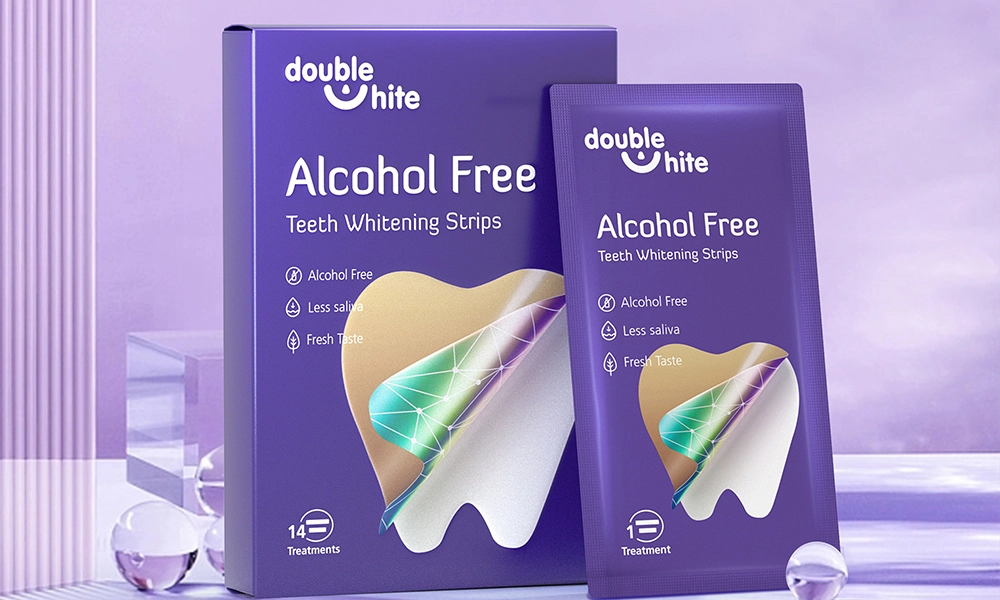
Intimate Care: Whitening Tips for Teeth Whitening Strips
Peroxide-Free Alternatives: The Best Whitening Ingredients (Featuring PAP+) for 2026
Custom Trays vs. OTC Strips: A Performance Review of Top Teeth Whitening Products 2026
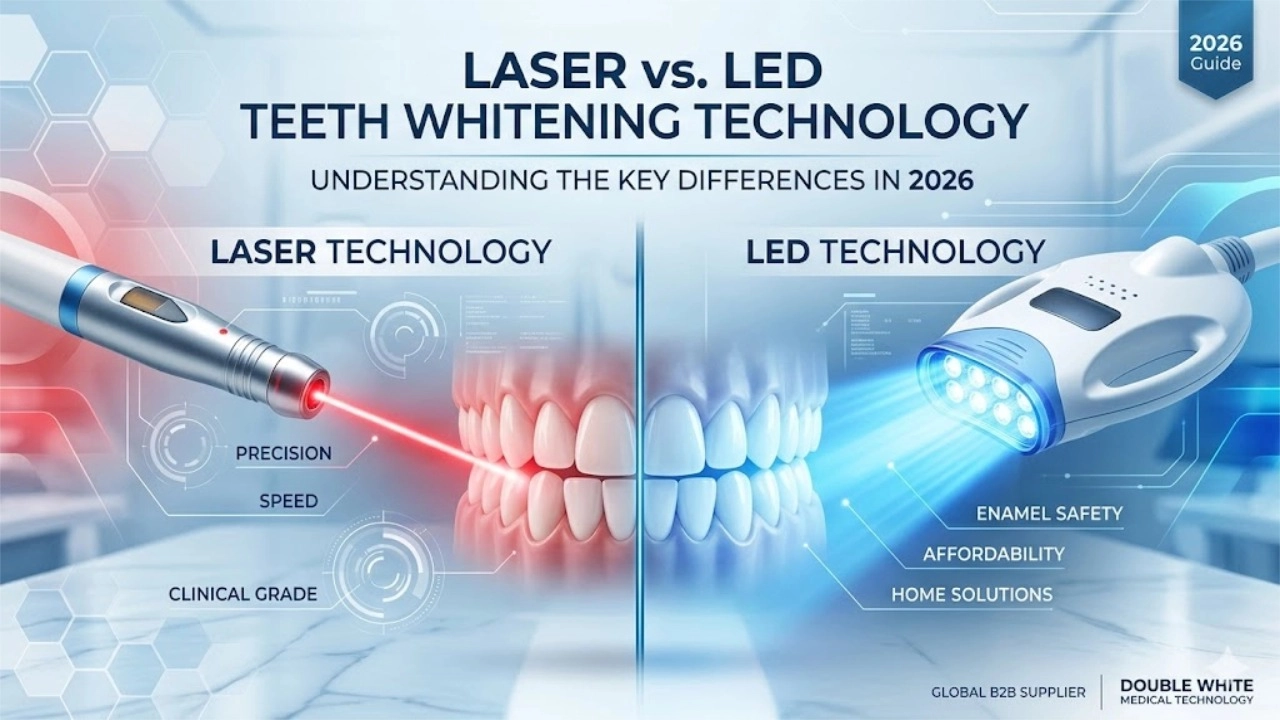
Laser vs. LED Teeth Whitening Technology: Understanding the Key Differences in 2026
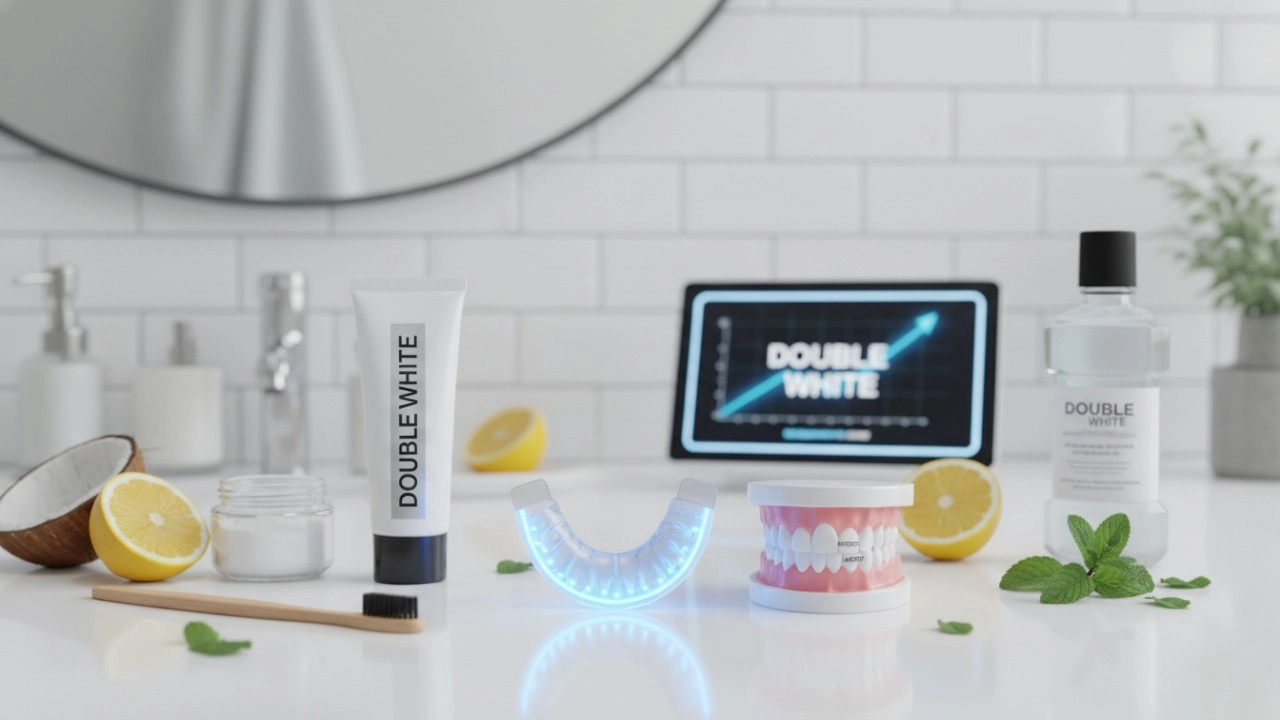
15 Best Teeth Whitening Methods of 2026: The Ultimate Safety and Results Guide
About Customized Services
Can I order customized services?
Yes, you can book customized services through our official website or contact information, and our sales team will serve you wholeheartedly.
About Product Choice
Can I use patches and pens for teeth whitening at the same time?
Yes, you can use teeth whitening patches and pens together as needed to speed up the whitening results and achieve better whitening results.
About Cooperation Process
How to start working with your company?
You can contact us through our official website or contact information, and our sales team will be happy to assist you.
Teeth Whitening Powder
How long will it take to see results?
Most users notice a significant improvement in the whiteness of their teeth within just a few days of regular use.
About Recipe Customization
How to ensure the stability and effectiveness of the formula?
We have a professional R&D team and strict quality control system to ensure the stability and whitening effect of the formula.
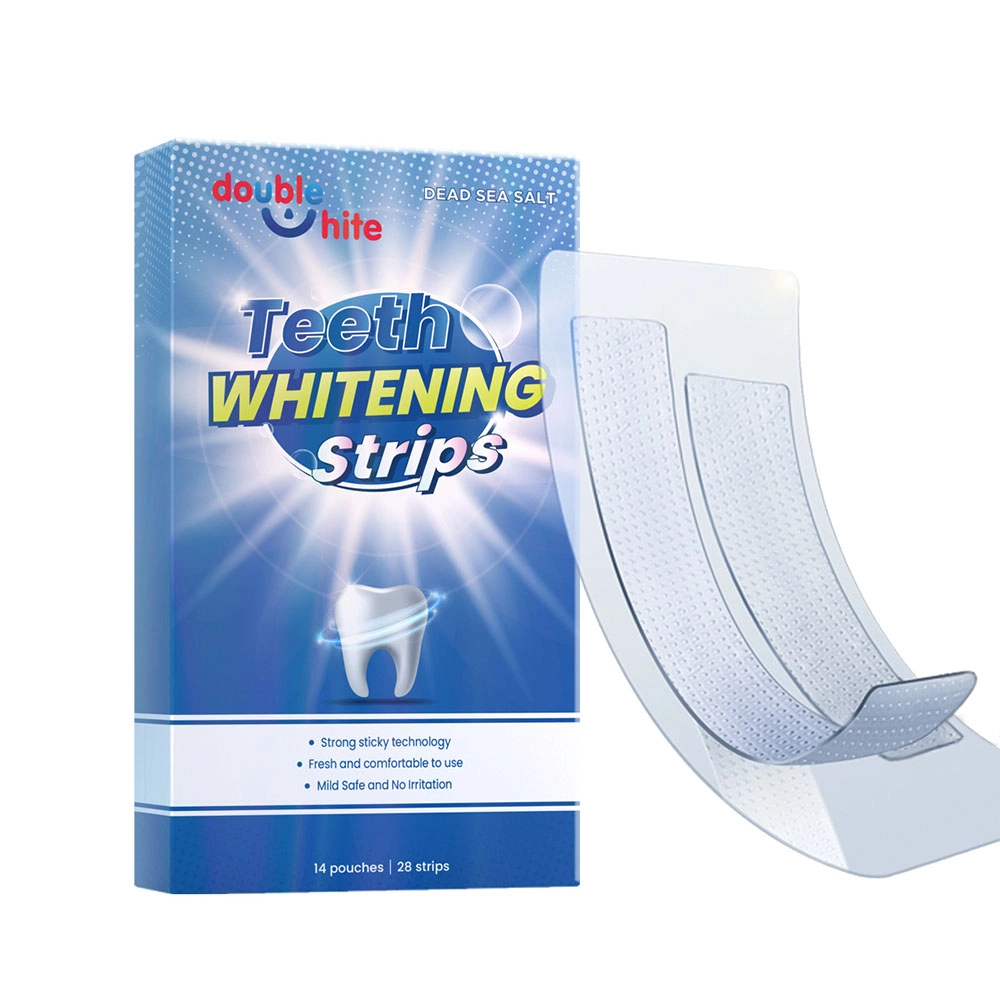
Dead Sea Salt Teeth Whitening Strips
Dead Sea Salt Teeth Whitening Strips - Natural Mineral Power for Whitening and Nurturing Teeth
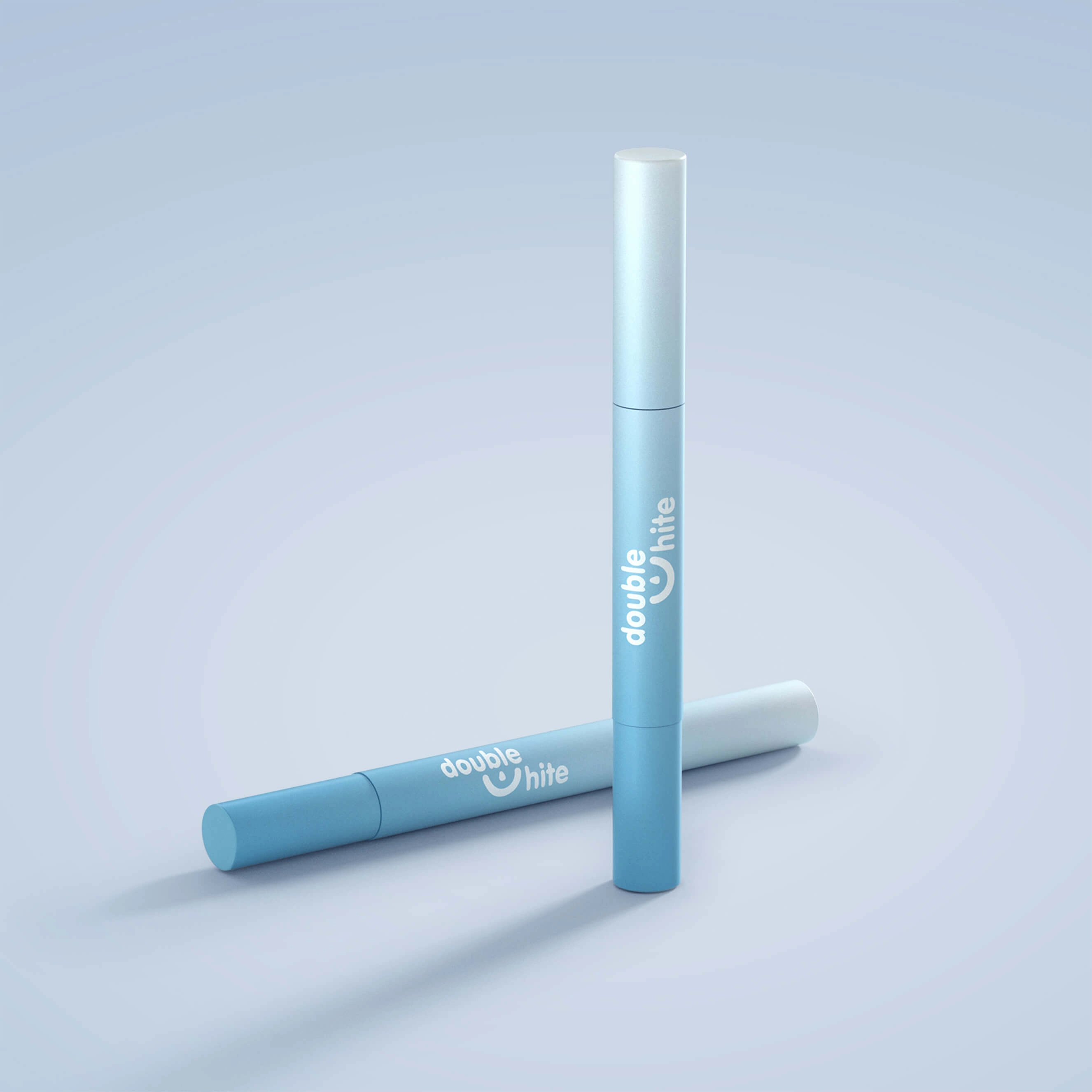
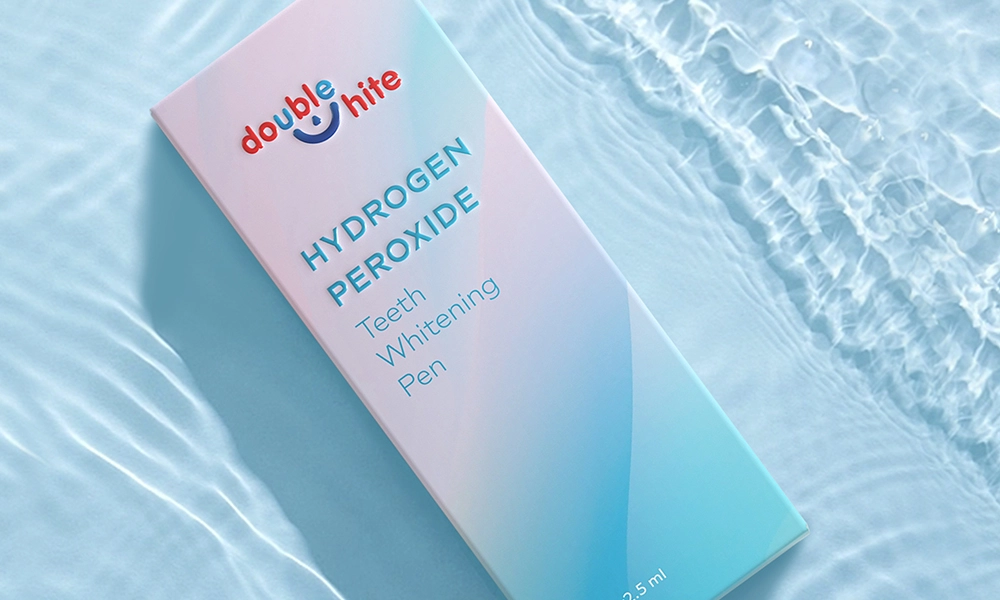
Customized Teeth Whitening Gel Pen HP02
Our teeth whitening gel is designed with a durable twist mechanism and a soft brush tip for easy and gentle application to each tooth and its crevices, providing a thorough whitening experience. It can be easily stored in a cool, dry location away from direct sunlight.
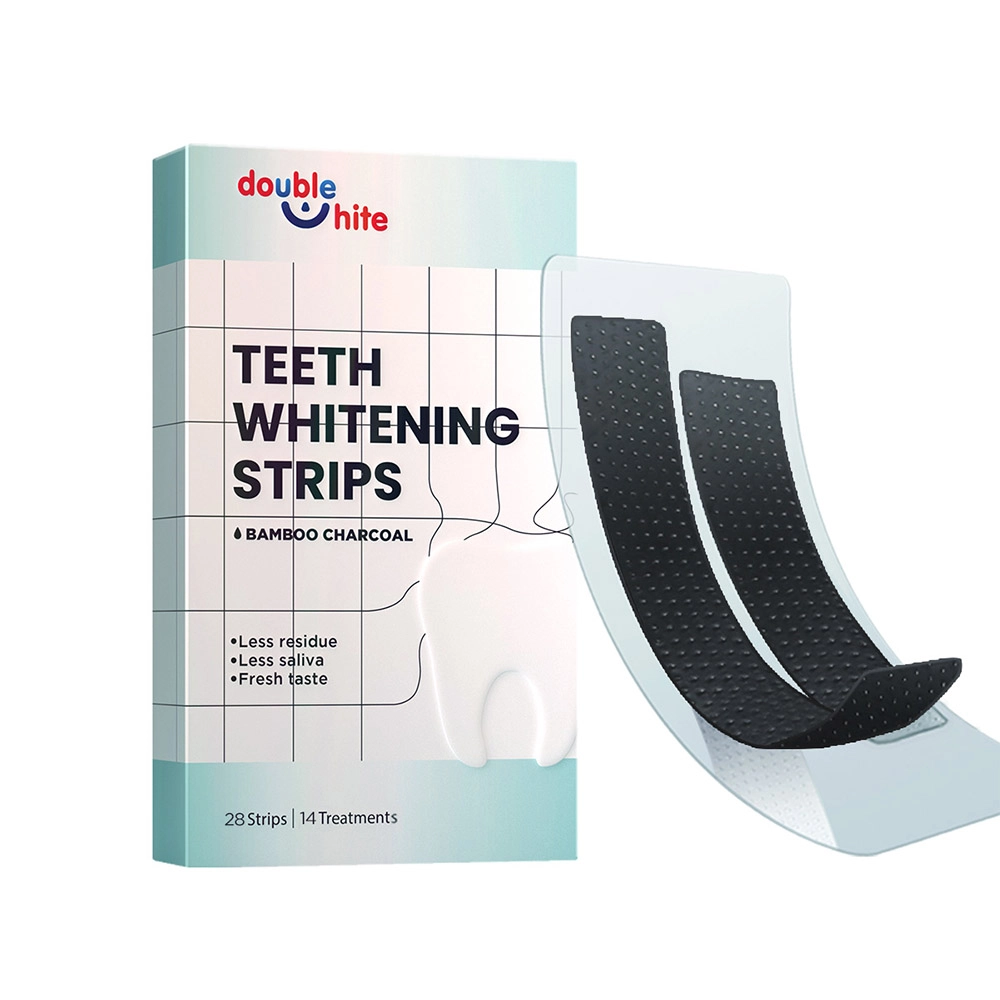
Charcoal Teeth Whitening Strips Wholsale
Double White Charcoal Teeth Whitening Strips Wholesale offers an effective, natural solution to brighten your smile. Infused with activated charcoal, these strips remove stains and whiten teeth gently. Ideal for bulk buyers seeking quality oral care products with proven results.
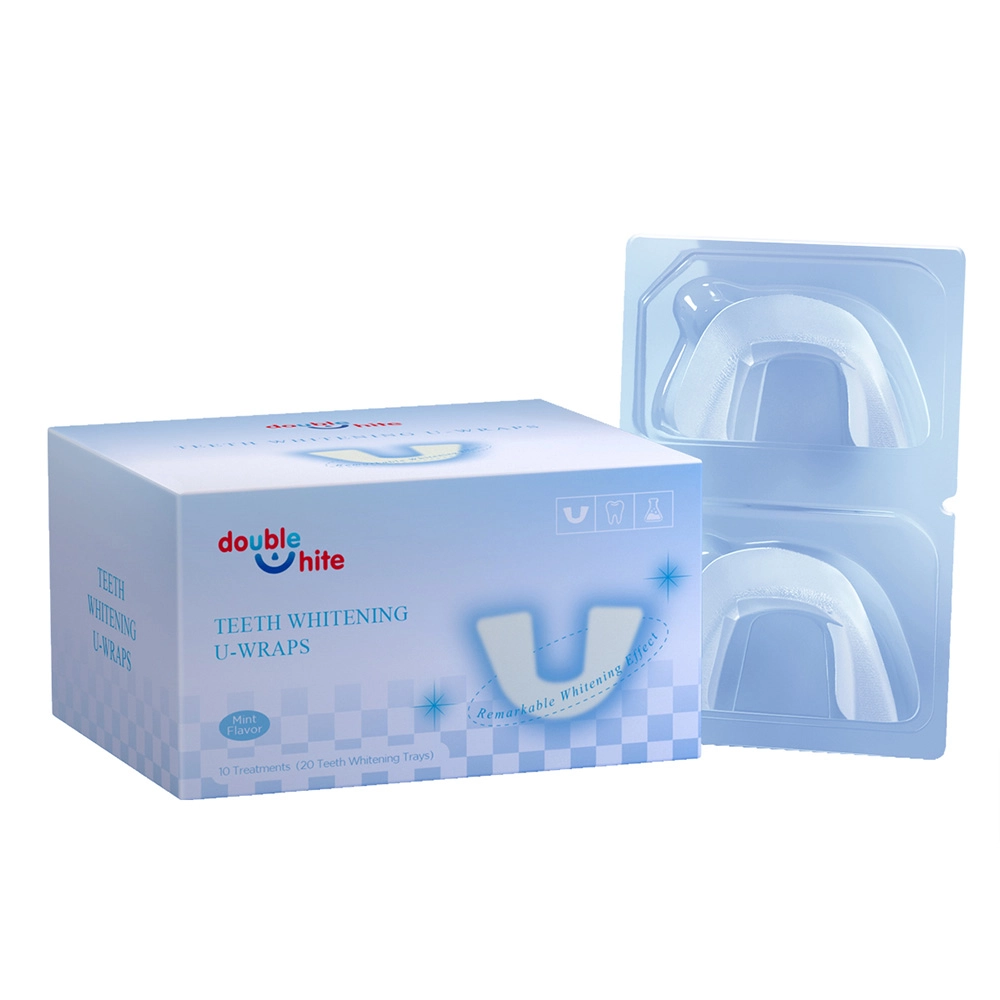
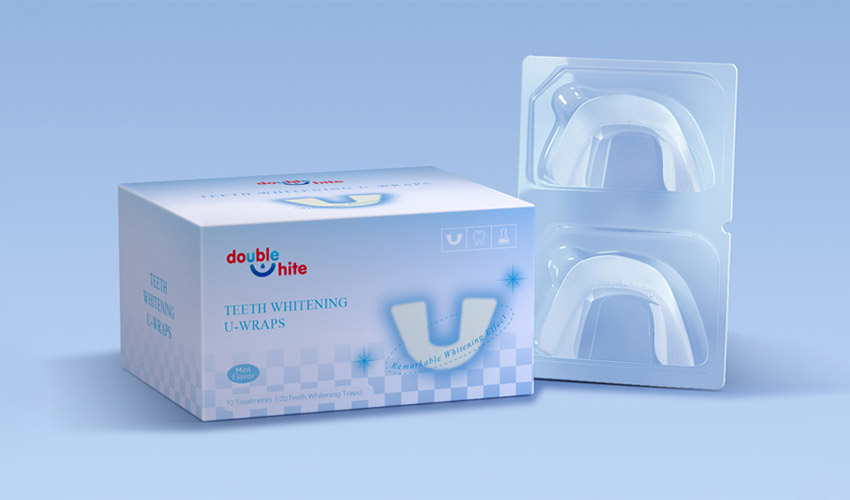
Teeth Whitening U-Wraps
Double White Teeth Whitening U-Wraps offer a safe, effective solution for brightening your smile. Designed for easy application, these U-Wraps provide professional whitening results at home. Achieve a radiant smile with Double White’s Teeth Whitening U-Wraps today.
Send us your inquiry
Reach out to us through the form below or via the contact information provided.
Our dedicated team is committed to providing prompt and personalized responses to all your queries.
Please fill out the fields above with your full name, email address, and comment.


Copyright © 2026 Double White All Rights Reserved. Designed by gooeyun
Whatsapp: +8615920313473
cndoublewhite
Doublewhite
doublewhitecn
cndoublewhite
cndoublewhite