






How to use alcohol-free whitening strips safely?
New to teeth whitening? Discover the gentle yet effective power of alcohol-free whitening strips. This guide addresses common beginner concerns, from minimizing sensitivity to achieving lasting results safely. Learn how these innovative strips offer a comfortable path to a brighter smile, making home teeth whitening accessible even for sensitive teeth and gums. Get expert tips on application, ingredient insights, and maintenance for a confident, radiant look.
- I have sensitive gums and teeth. Will alcohol-free whitening strips still cause irritation, and how can I minimize it?
- How quickly can I expect to see noticeable results with alcohol-free whitening strips, and do they work on all types of stains, especially coffee or tea?
- What's the absolute best technique for applying alcohol-free whitening strips to ensure even coverage without missing spots or causing gum irritation?
- Beyond just being 'alcohol-free,' what specific ingredients in these strips make them gentler, and are there any ingredients I should still watch out for if I have allergies or sensitivities?
- After achieving my desired shade with alcohol-free whitening strips, what's the recommended maintenance schedule to keep my teeth white without over-whitening or causing damage?
- Are alcohol-free whitening strips as effective as professional in-office treatments or traditional peroxide strips, or is there a trade-off for the gentler formulation?
I have sensitive gums and teeth. Will alcohol-free whitening strips still cause irritation, and how can I minimize it?
While alcohol-free whitening strips are specifically formulated to be gentler than traditional options, individuals with pre-existing sensitive teeth or receding gums might still experience some transient sensitivity. The primary active ingredients, typically hydrogen peroxide or carbamide peroxide, work by penetrating the enamel to break down stain molecules. The alcohol-free aspect significantly reduces the drying and irritating effects often associated with alcohol-based formulations, which can exacerbate gum inflammation.
To minimize potential irritation, consider these expert tips:
- Pre-treatment Care: Brush gently with a sensitive teeth toothpaste containing potassium nitrate or strontium chloride for a week prior to starting treatment. This helps desensitize the teeth.
- Application Precision: Ensure the gentle teeth whitening strips are applied precisely to the tooth surface, avoiding direct contact with the gum line. If the strip touches the gums, gently fold it away or trim it to fit.
- Shorter Application Times: If you experience discomfort, try reducing the application time by 5-10 minutes initially, gradually increasing it as tolerated.
- Fluoride Rinse: After removing the strips, rinse your mouth thoroughly and consider using a fluoride mouthwash or a desensitizing gel to remineralize enamel and soothe any irritation.
- Hydration: Keep your mouth hydrated. Saliva acts as a natural buffer and helps protect oral tissues.
These non-irritating whitening solutions are designed for comfort, but listening to your body is key.
How quickly can I expect to see noticeable results with alcohol-free whitening strips, and do they work on all types of stains, especially coffee or tea?
The speed and degree of teeth brightening with alcohol-free whitening strips can vary based on several factors, including the initial shade of your teeth, the type and severity of stains, and the concentration of the active whitening agent. Generally, beginners can expect to see noticeable improvements within 3-7 days of consistent use. Significant results, often 2-4 shades lighter, are typically achieved after a full course of treatment (usually 7-14 days).
Regarding stain types, these effective alcohol-free teeth brighteners are highly effective on extrinsic stains, which are surface discolorations caused by common culprits like coffee, tea, red wine, tobacco, and certain foods. The peroxide penetrates the enamel to oxidize these chromogens, making them appear colorless.
However, intrinsic stains (discolorations within the tooth structure, often due to genetics, trauma, certain medications like tetracycline, or excessive fluoride intake) are much harder, if not impossible, to treat with home teeth whitening kits, including strips. For intrinsic stains, a consultation with a dental professional for in-office treatments or veneers might be necessary. For most common extrinsic stains, these dental stain removal without alcohol strips offer an excellent solution.
What's the absolute best technique for applying alcohol-free whitening strips to ensure even coverage without missing spots or causing gum irritation?
Proper application is crucial for achieving uniform enamel-safe whitening and preventing gum irritation. Follow this expert technique for your gentle teeth whitening strips:
- Preparation: Gently brush your teeth without toothpaste (or with a non-abrasive, non-whitening toothpaste) about 30 minutes before application. This removes plaque but allows the whitening agent to adhere better without immediate post-brushing sensitivity. Dry your teeth with a clean tissue to enhance adhesion.
- Identify Strips: Most kits come with two strips: a longer one for the upper teeth and a shorter one for the lower teeth.
- Upper Strip Application: Peel the longer strip from its backing. Facing a mirror, align the straight edge of the strip with your gum line on your upper teeth. Press the strip firmly onto the front surface of your teeth, starting from the center and working outwards. Fold the excess strip material behind your teeth to secure it. Ensure the strip covers all visible tooth surfaces, especially the areas that show when you smile.
- Lower Strip Application: Repeat the process for the lower teeth with the shorter strip. Again, align carefully with the gum line and press firmly.
- Avoid Gums: Crucially, ensure the strips do not overlap onto your gums. If they do, gently fold the excess material inwards or use clean scissors to trim the strip before application. This prevents the whitening agent from irritating the delicate gum tissue, making it a truly gum-friendly whitening strip.
- Pressure and Adhesion: Use your fingertips to press the strips firmly against each tooth surface, ensuring good contact for optimal effective alcohol-free teeth brighteners distribution.
- Removal: After the recommended time, peel the strips off slowly. Rinse your mouth thoroughly with water to remove any residual gel.
Beyond just being 'alcohol-free,' what specific ingredients in these strips make them gentler, and are there any ingredients I should still watch out for if I have allergies or sensitivities?
The alcohol-free designation is a significant improvement for comfort, as alcohol can be very drying and irritating to oral tissues. However, the gentleness of sensitive teeth whitening strips extends beyond just the absence of alcohol. Key ingredients and formulations contributing to their milder profile often include:
- Stabilized Peroxide: The active whitening agent, typically hydrogen peroxide or carbamide peroxide, is often formulated in a more stable, slower-release gel. This allows for sustained whitening action with less immediate impact, reducing the likelihood of a sudden sensitivity spike.
- Humectants: Ingredients like glycerin or propylene glycol help keep the gel moist, preventing dehydration of oral tissues and improving adhesion.
- Desensitizing Agents: Some High Quality enamel-safe whitening strips incorporate desensitizing ingredients such as potassium nitrate or fluoride. Potassium nitrate works by blocking nerve signals, while fluoride helps remineralize and strengthen enamel, reducing porosity and sensitivity.
- pH Balancers: Formulations are often pH-balanced to be closer to neutral, minimizing acidic erosion or irritation.
While these strips are designed to be non-irritating whitening solutions, individuals with specific allergies should still review the full ingredient list. Common allergens or irritants (though less common in alcohol-free formulations) can include:
- Flavorings: Mint or other flavorings can sometimes cause allergic reactions in sensitive individuals.
- Preservatives: Less common, but some preservatives might trigger reactions.
- Adhesive Agents: The material used for adhesion might contain components that some individuals are sensitive to.
Always perform a patch test if you have known allergies, or consult your dentist if you have concerns about specific ingredients in professional-grade alcohol-free strips.
After achieving my desired shade with alcohol-free whitening strips, what's the recommended maintenance schedule to keep my teeth white without over-whitening or causing damage?
Maintaining your bright smile after a full course of alcohol-free whitening strips is crucial for longevity and preventing rebound staining, but over-whitening can lead to increased sensitivity and a translucent appearance. The goal is a balanced approach to safe teeth bleaching strips and ongoing care.
- Initial Maintenance: After completing your initial treatment, many users find that a touch-up application once every 3-6 months is sufficient. This might involve using strips for 1-3 consecutive days, depending on your lifestyle and consumption of stain-causing foods/drinks.
- Lifestyle Adjustments: To prolong your results, minimize consumption of highly pigmented foods and beverages like coffee, tea, red wine, and dark berries. If you do consume them, rinse your mouth with water immediately afterward. Using a straw for drinks can also help bypass the front teeth.
- Oral Hygiene: Maintain excellent daily oral hygiene, including brushing twice a day with a whitening toothpaste (specifically formulated for maintenance, not aggressive bleaching) and flossing daily. This helps remove surface stains before they set in.
- Professional Cleanings: Regular dental check-ups and professional cleanings (typically every six months) are vital. Your hygienist can remove stubborn surface stains that home products can't, contributing significantly to your teeth brightening efforts.
- Listen to Your Teeth: If you notice increased sensitivity during maintenance, pause the whitening and allow your teeth to recover. There's no universal right schedule; it's about finding what works for your individual needs while ensuring enamel-safe whitening.
Are alcohol-free whitening strips as effective as professional in-office treatments or traditional peroxide strips, or is there a trade-off for the gentler formulation?
This is a common and excellent question for those considering home teeth whitening kits. Alcohol-free whitening strips offer a highly effective solution for most extrinsic stains, often achieving results comparable to traditional over-the-counter peroxide strips, but with significantly reduced risk of sensitivity and irritation.
- Compared to Traditional OTC Strips: They are generally as effective in terms of whitening power, as the active peroxide concentration is often similar. The primary advantage of the alcohol-free formulation is the enhanced comfort and reduced incidence of gum irritation, making them superior for individuals with sensitive teeth or those seeking a non-irritating whitening solution. There is no inherent trade-off in whitening efficacy for the gentler formulation; rather, it's an improvement in user experience.
- Compared to Professional In-Office Treatments: Professional in-office treatments, performed by a dentist, typically use much higher concentrations of hydrogen peroxide (e.g., 25-40%) combined with specialized lights or lasers to accelerate the process. This allows for dramatic results in a single visit, often several shades lighter. While alcohol-free whitening strips are very effective for gradual, noticeable improvement, they generally won't match the immediate, intense whitening power of a professional treatment.
- The Trade-Off: The trade-off, if any, is primarily in speed and initial intensity. Home strips offer a more gradual, controlled whitening process over days or weeks, while professional treatments provide rapid, more dramatic results. However, for convenience, cost-effectiveness, and comfort, especially for gentle teeth whitening and gum-friendly whitening strips, alcohol-free options are an excellent choice for achieving a brighter, confident smile without the dental chair. They are a fantastic entry point for safe teeth bleaching strips.
In summary, alcohol-free teeth whitening strips represent a significant advancement in at-home oral care, offering a powerful yet gentle solution for achieving a brighter smile. Their formulation prioritizes comfort, making them ideal for individuals with sensitive teeth and gums, while still delivering impressive results on extrinsic stains. By understanding proper application, maintenance, and realistic expectations, you can confidently embark on your journey to a radiant, healthy-looking smile. These non-irritating whitening solutions provide convenience, efficacy, and peace of mind.
Ready to discover the difference Double White can make for your smile? Contact us today for a personalized quote and expert advice. Website: www.double-white.ae, Email: manager@double-white.com
Answers to Teeth Whitening Questions: Analysis of Frequently Asked Questions
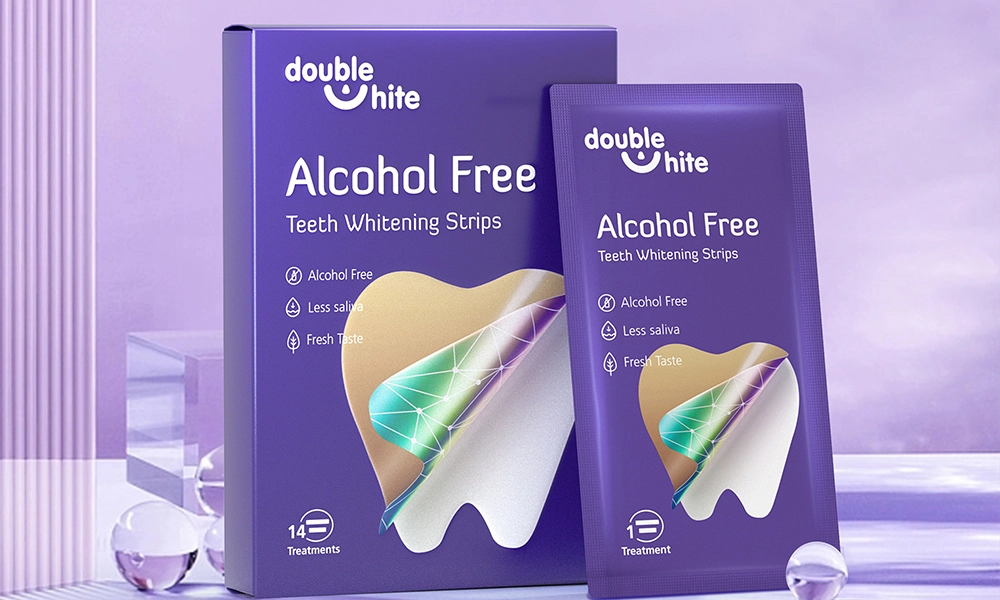
Intimate Care: Whitening Tips for Teeth Whitening Strips
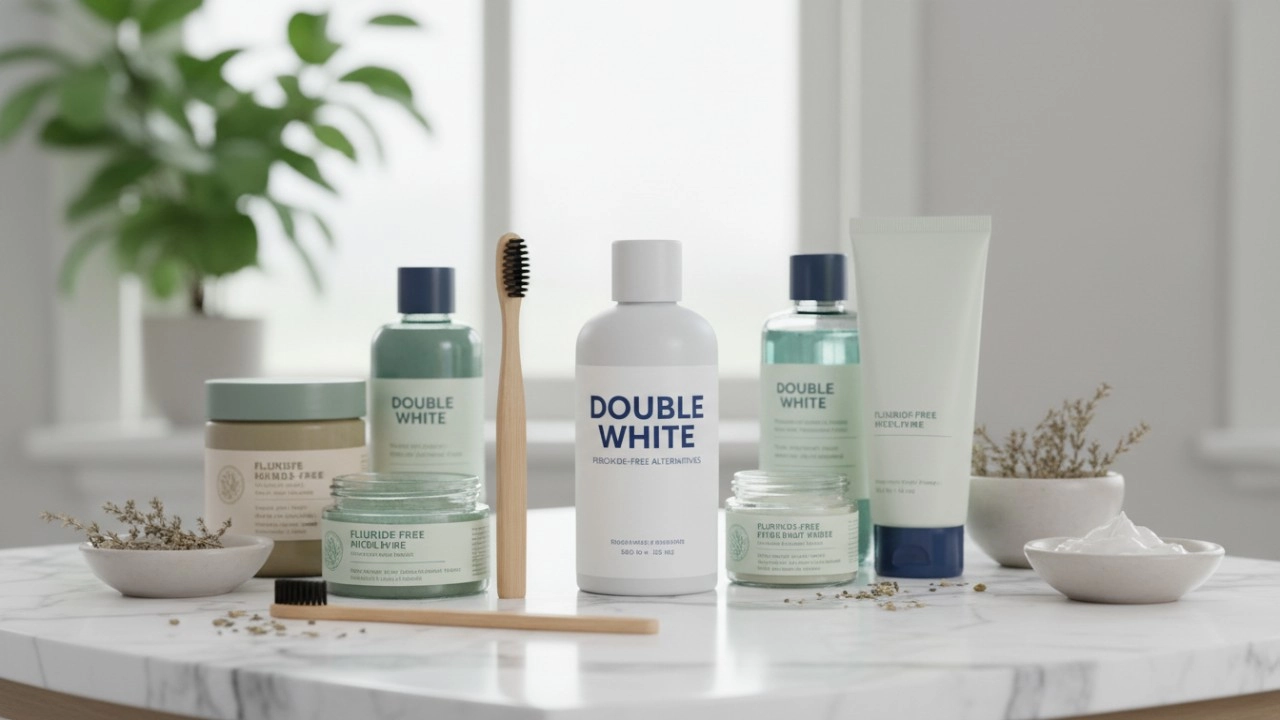
Peroxide-Free Alternatives: The Best Whitening Ingredients (Featuring PAP+) for 2026
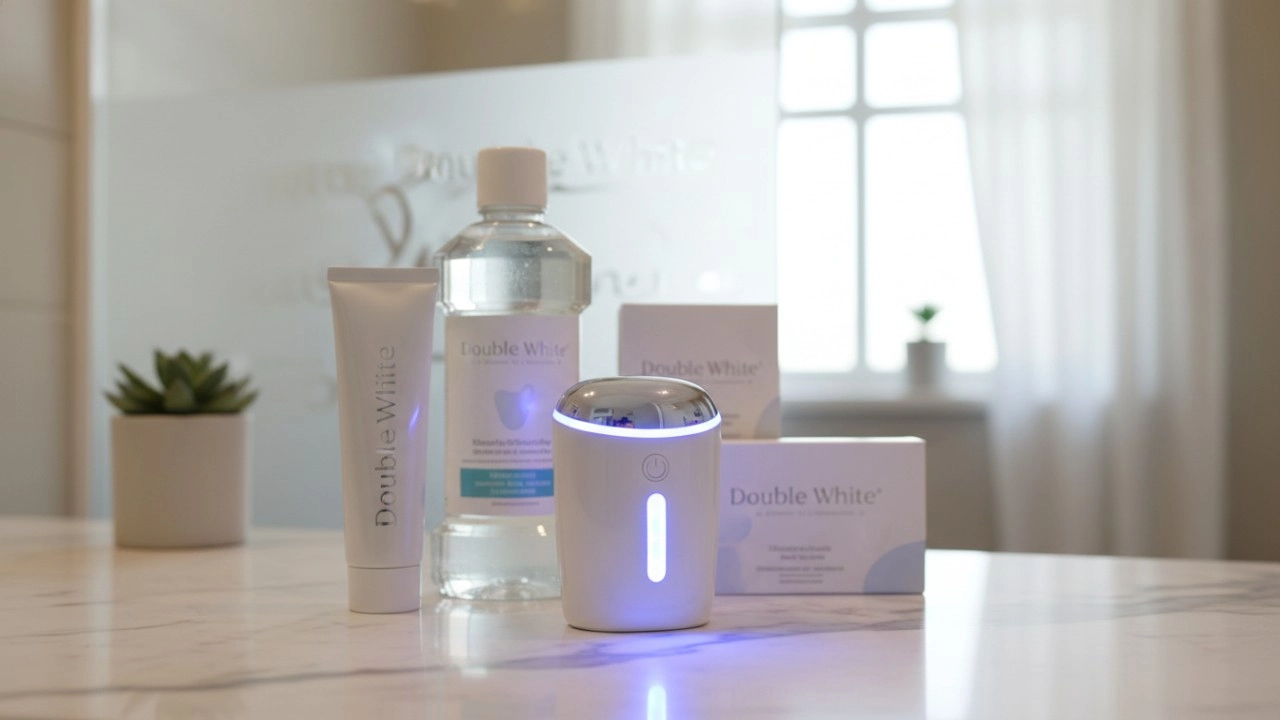
Custom Trays vs. OTC Strips: A Performance Review of Top Teeth Whitening Products 2026
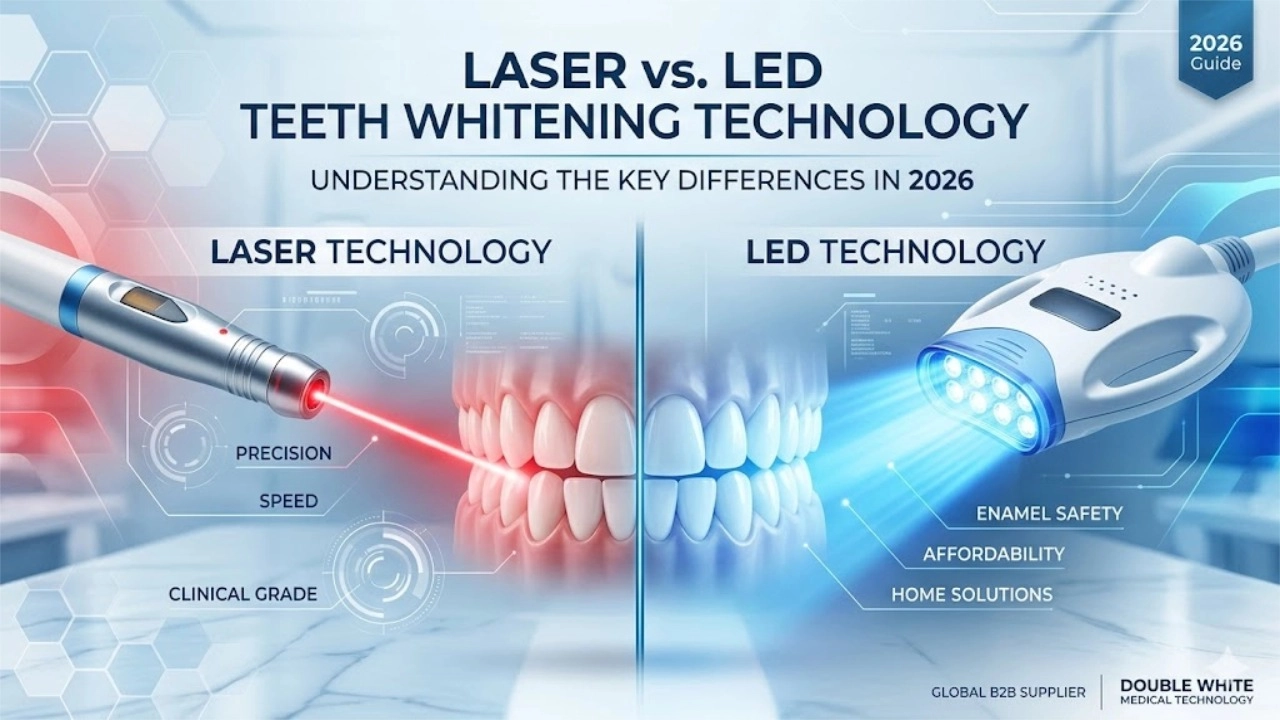
Laser vs. LED Teeth Whitening Technology: Understanding the Key Differences in 2026
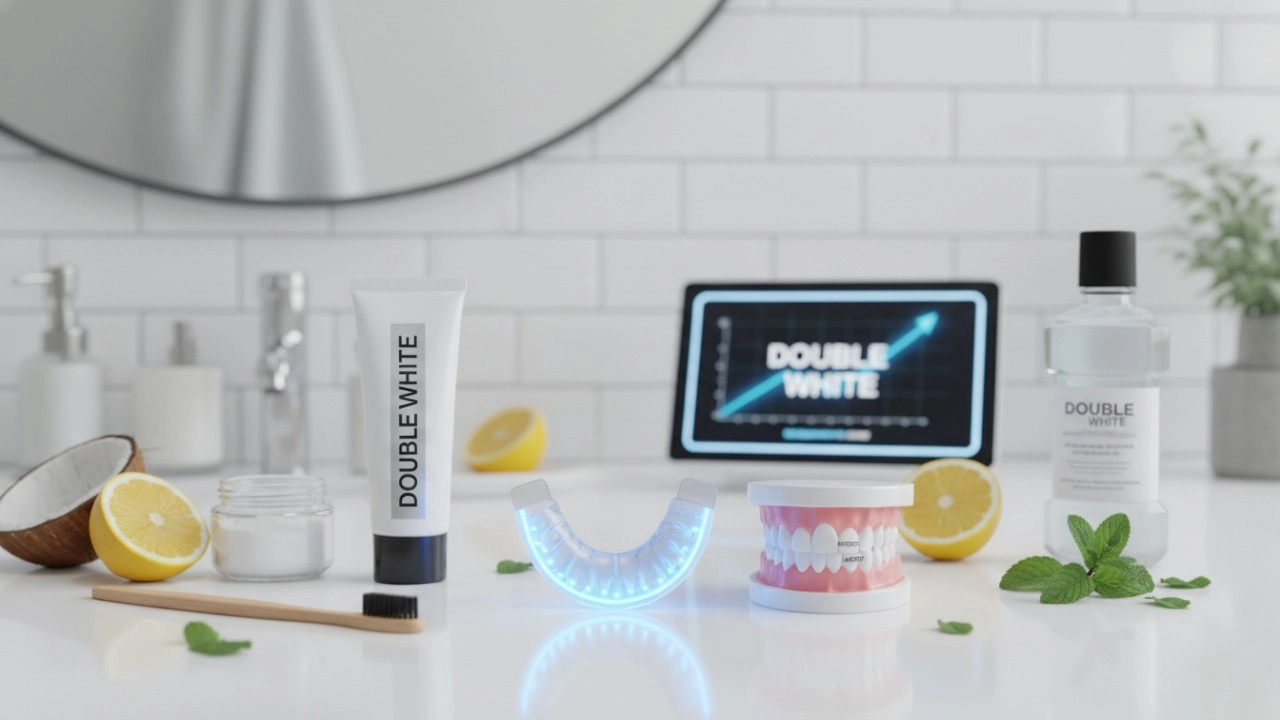
15 Best Teeth Whitening Methods of 2026: The Ultimate Safety and Results Guide
About Product Choice
What types of teeth are your products suitable for?
Our products are suitable for most tooth types including regular, yellow and lightly pigmented teeth. However, for severely discolored teeth or special dental conditions, please consult your dentist before making a choice.
What types of teeth whitening products does your company offer?
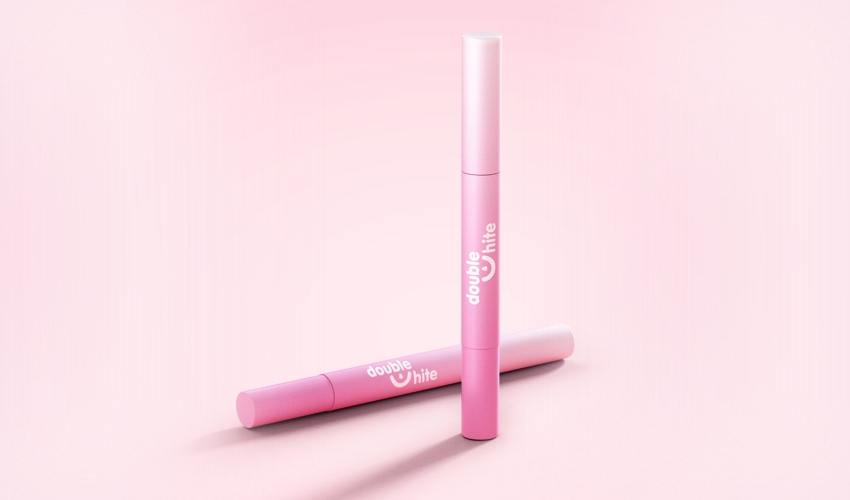
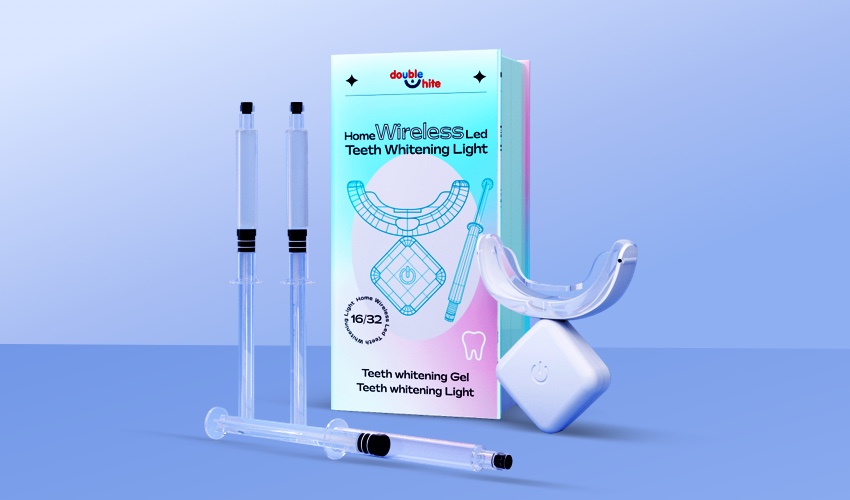
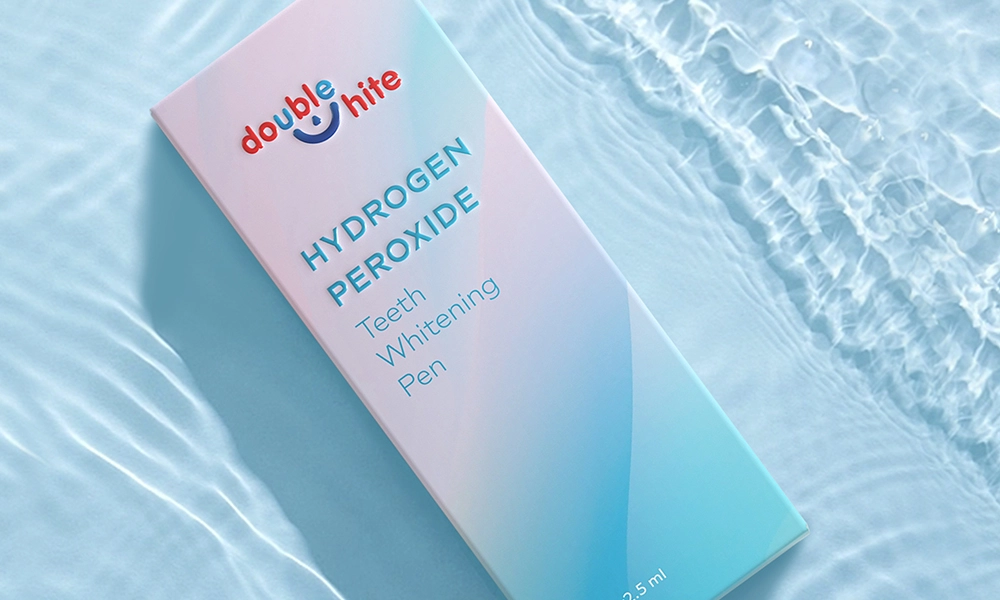
We offer a variety of product types for you to choose from, including teeth whitening patches, teeth whitening pens, and teeth whitening kits.
About Customized Services
I don’t have a designer, can you help with brand visuals?
Yes, our designers are happy to serve you.
About Solution Suggestions
Is there a special formula for sensitive teeth?
Yes, we can provide special formulas and products for sensitive teeth to reduce irritation and discomfort to teeth and gums.
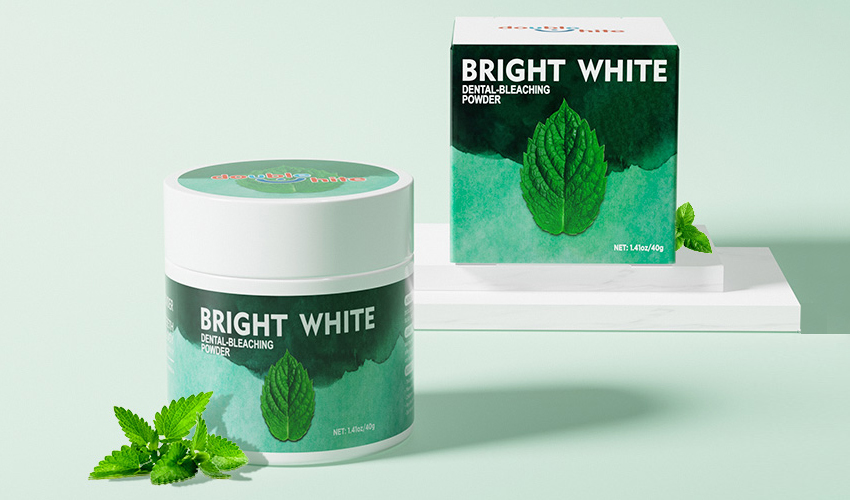
Teeth Whitening Powder
How long will it take to see results?
Most users notice a significant improvement in the whiteness of their teeth within just a few days of regular use.
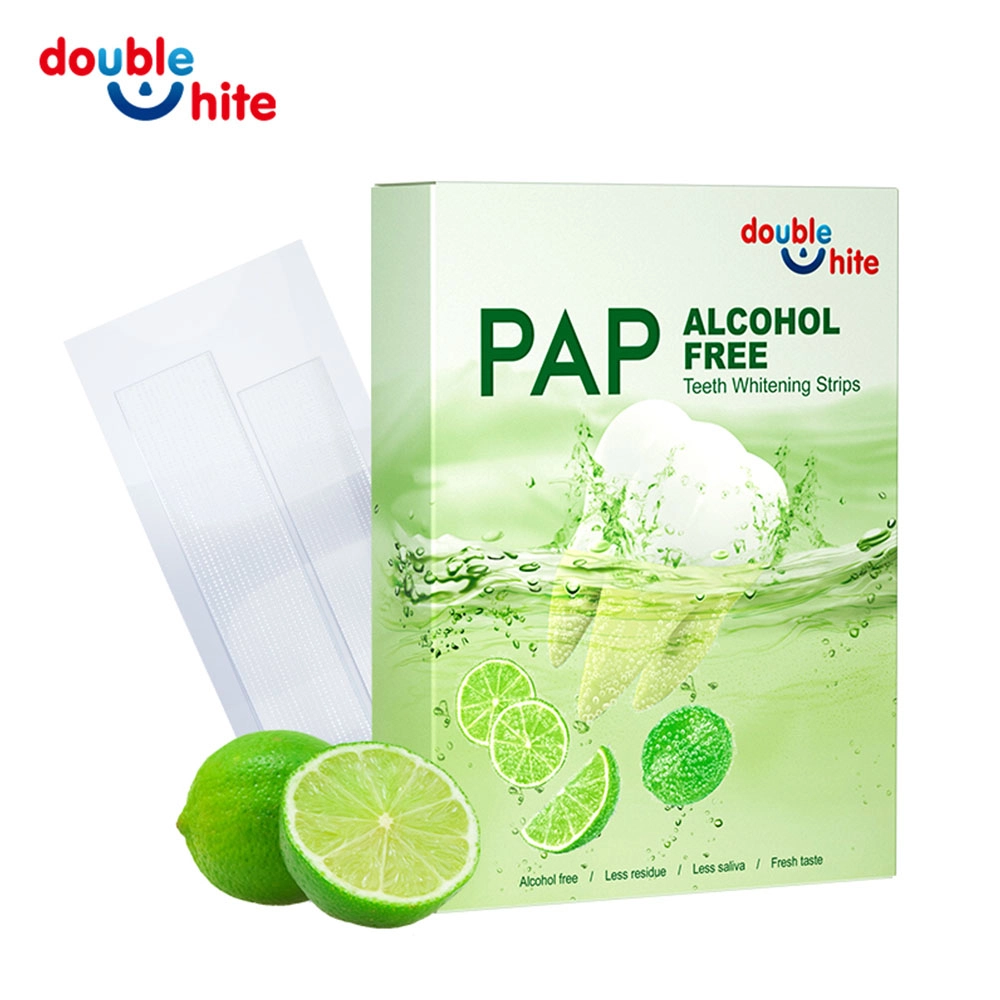
PAP Non-Alcohol teeth whitening strips OEM ODM PAPNA-04
Professional and dental grade material white strip teeth whitener helps remove stains effectively and powerfully yet gently, specially designed for sensitive teeth. FDA registered and clinically proven to effectively and safely whiten teeth.
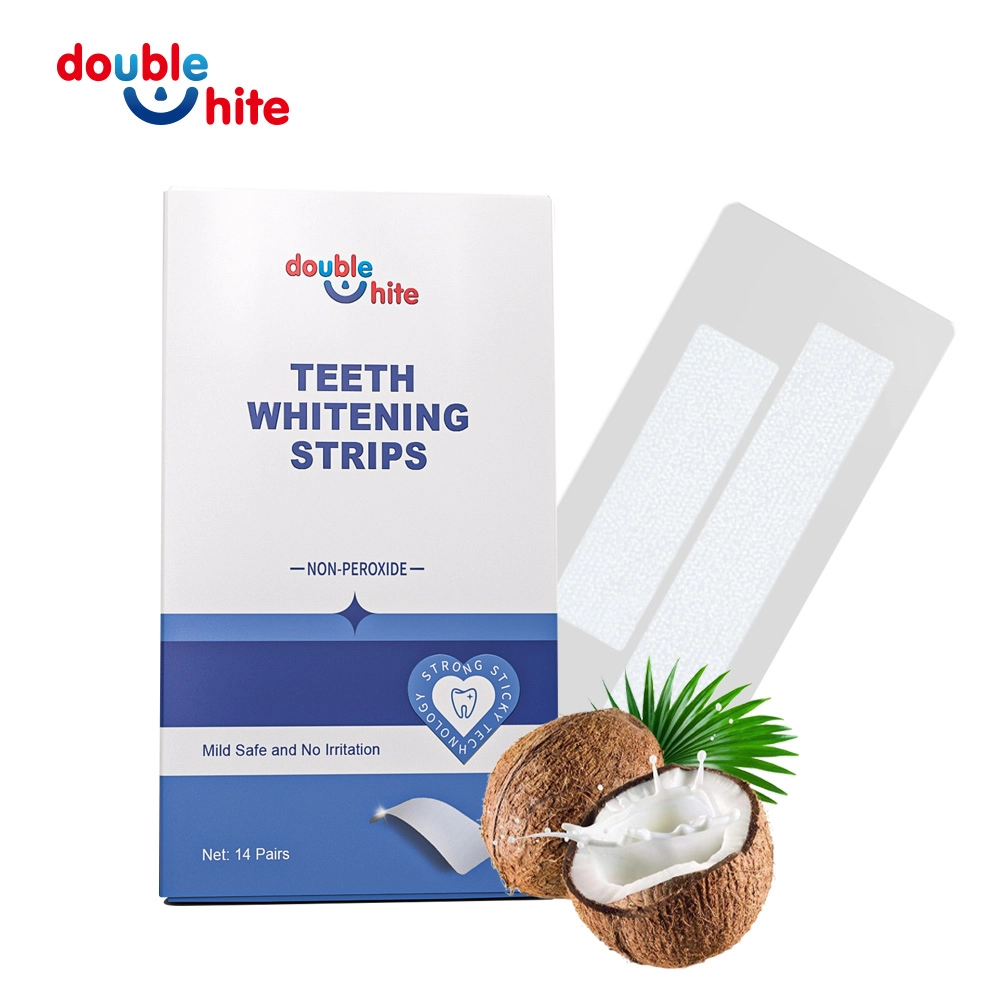
Expert Factory Sodium Chlorite Teeth Whitening Gel Strips
Features a next generation non-toxic formula, completely devoid of harmful chemicals by harnessing the strength of Nano Hydroxyapatite (N-HA) & PAP, which targets & eliminates pigmented molecules, leading to a brighter and whiter smile.
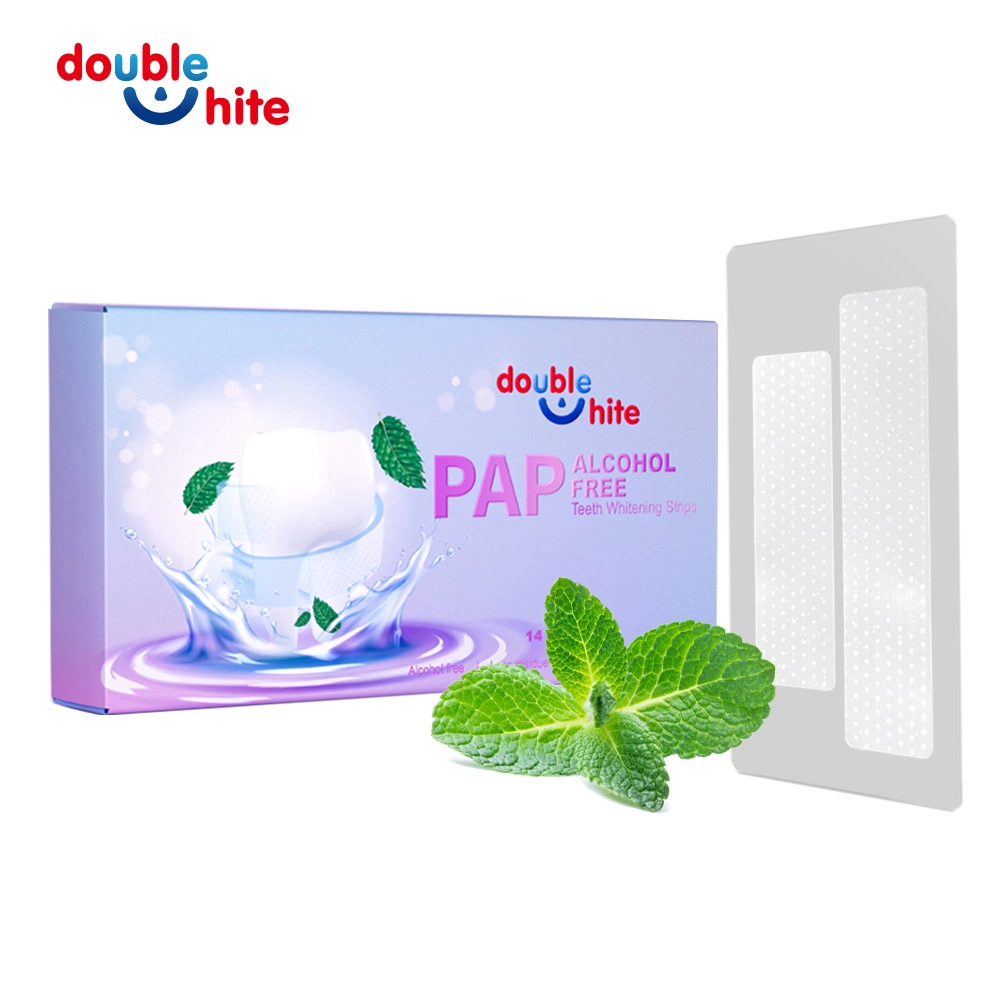
PAP Non-Alcohol teeth whitening strips OEM ODM PAPNA-03
Professional and dental grade material white strip teeth whitener helps remove stains effectively and powerfully yet gently, specially designed for sensitive teeth. FDA registered and clinically proven to effectively and safely whiten teeth.
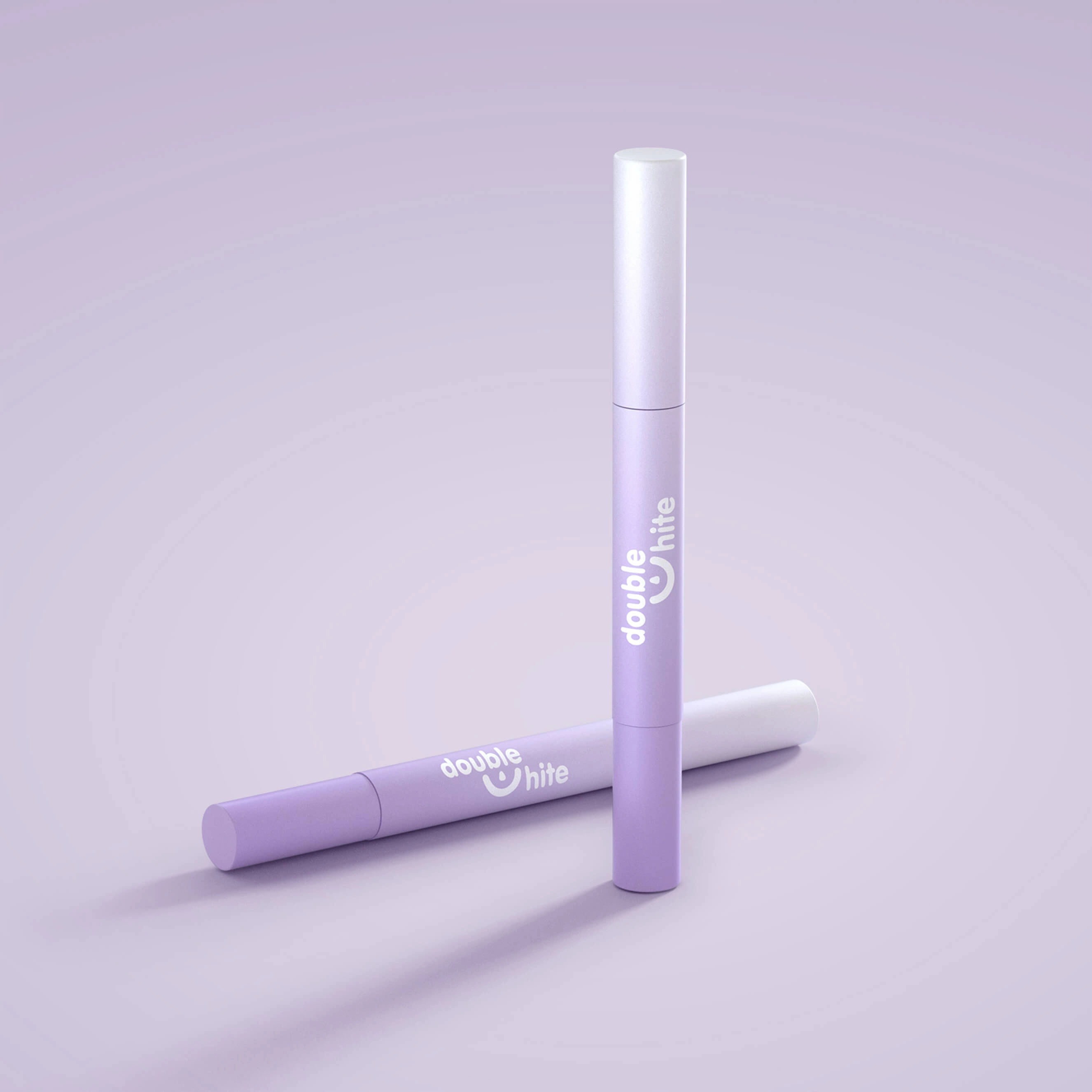
Customized Teeth Whitening Gel Pen HP01
Our teeth whitening pen is designed to be gentle on sensitive teeth and gums, thanks to its natural, pure ingredients.
Send us your inquiry
Reach out to us through the form below or via the contact information provided.
Our dedicated team is committed to providing prompt and personalized responses to all your queries.
Please fill out the fields above with your full name, email address, and comment.


Copyright © 2026 Double White All Rights Reserved. Designed by gooeyun
Whatsapp: +8615920313473
cndoublewhite
Doublewhite
doublewhitecn
cndoublewhite
cndoublewhite